
Design Approach
We believe in creating architecture that endures - spaces that age gracefully, respond to their context, and remain meaningful over time.
We work closely with clients and consultants to develop thoughtful, inventive designs tailored to each project - from small-scale residential interventions to larger speculative developments. Collaboration is central to our approach, and we regularly engage with designers, artists, and specialists to broaden our perspective and enrich our work.
Our objective is to design buildings that are both timeless and intuitive to use. Spaces should feel natural, carefully considered, and connected to their surroundings and users.
Our work is rooted in research, guided by curiosity, and shaped through an ongoing process of testing, questioning, and refinement. Each project is an opportunity to explore new ideas and reconsider how architecture can serve people, place, and purpose.
We design with sensitivity to the past while looking forward - drawing on heritage, culture, and material traditions to create spaces that feel both contemporary and enduring.
At its core, our approach is defined by clarity and purpose: spaces shaped by light, order, and proportion, where every element contributes to a cohesive whole.
We consider every layer of a project - from its relationship to site and users to its cultural and historical context - ensuring a holistic and considered outcome.
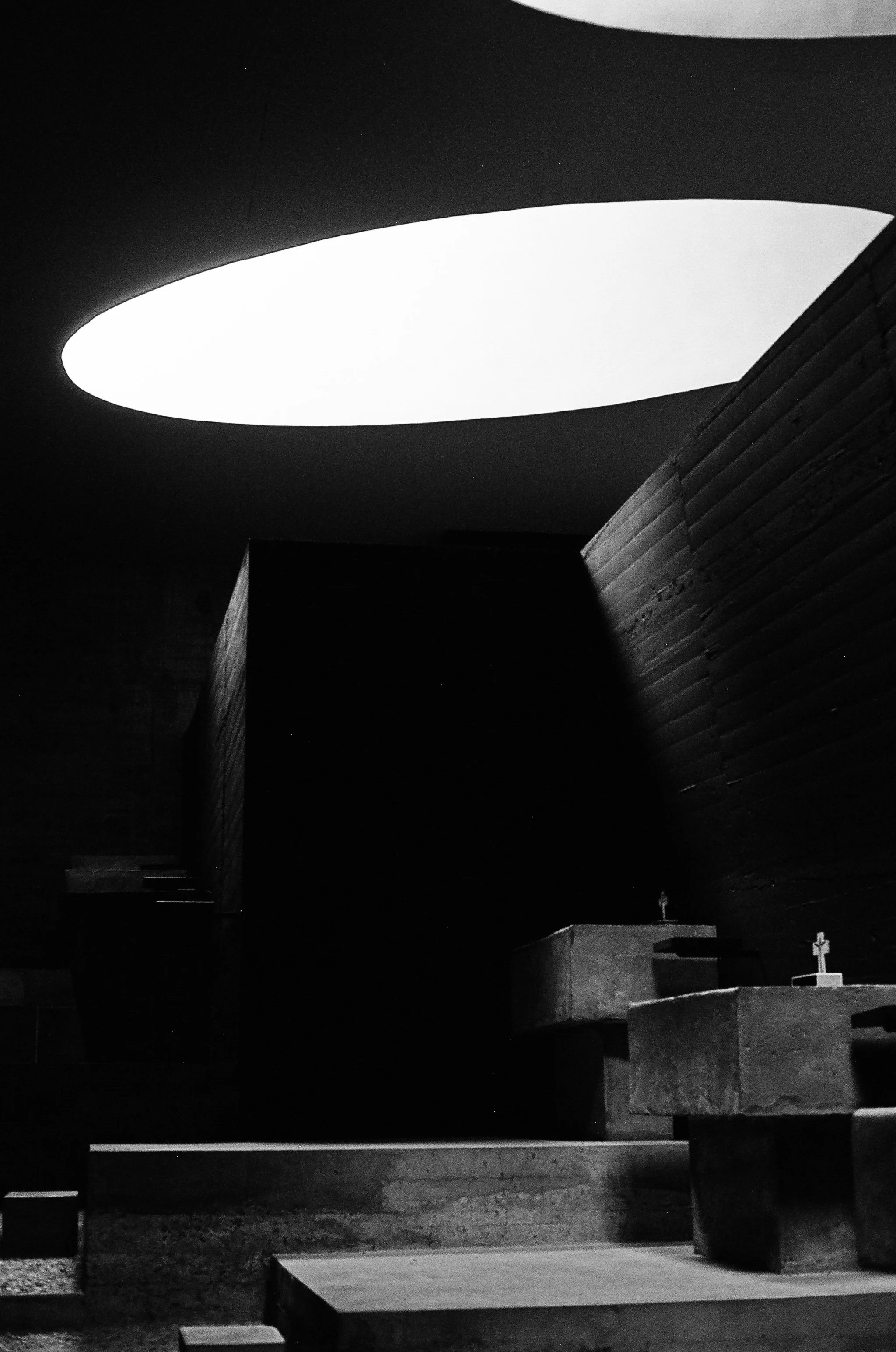
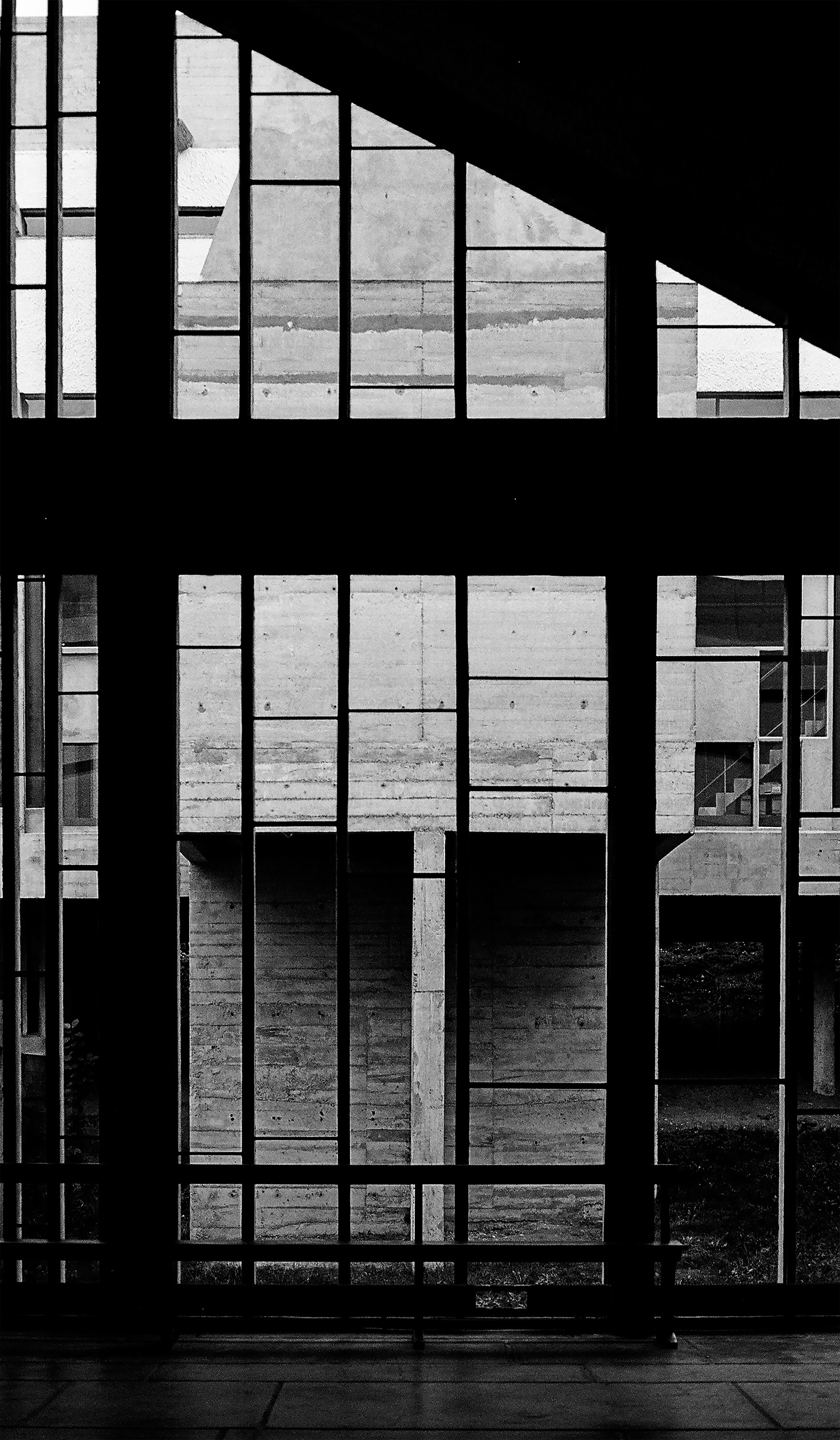
Sainte Marie de La Tourette - Tiam Architects
Principles
We believe architecture should improve with age rather than follow or adapt to trends. Our work is grounded in lasting quality, proportion, and material integrity.
Each project begins with a deep understanding of its context and heritage. We respect the history, culture, and architectural language of its surroundings as a foundation for creating something new.
We design with sensitivity to the past while looking forward - drawing on heritage, culture, and material traditions to create spaces that feel both contemporary and enduring.
At its core, our work is defined by clarity and purpose: spaces shaped by light, order, and proportion, where every element contributes to a cohesive whole.
Our process is entirely bespoke, with no fixed formula, ensuring each design is carefully tailored to its users, purpose, and identity. We seek clarity and character, balancing clean, minimal lines with moments of expression to create spaces that feel calm yet distinctive.
Functionality and ease of use are central to our work. We focus on intuitive, well-resolved spaces that operate seamlessly, without unnecessary complexity. We place particular emphasis on materiality and craft, believing that the thoughtful use of materials, texture, and precise detailing brings depth, authenticity, and longevity to every project.
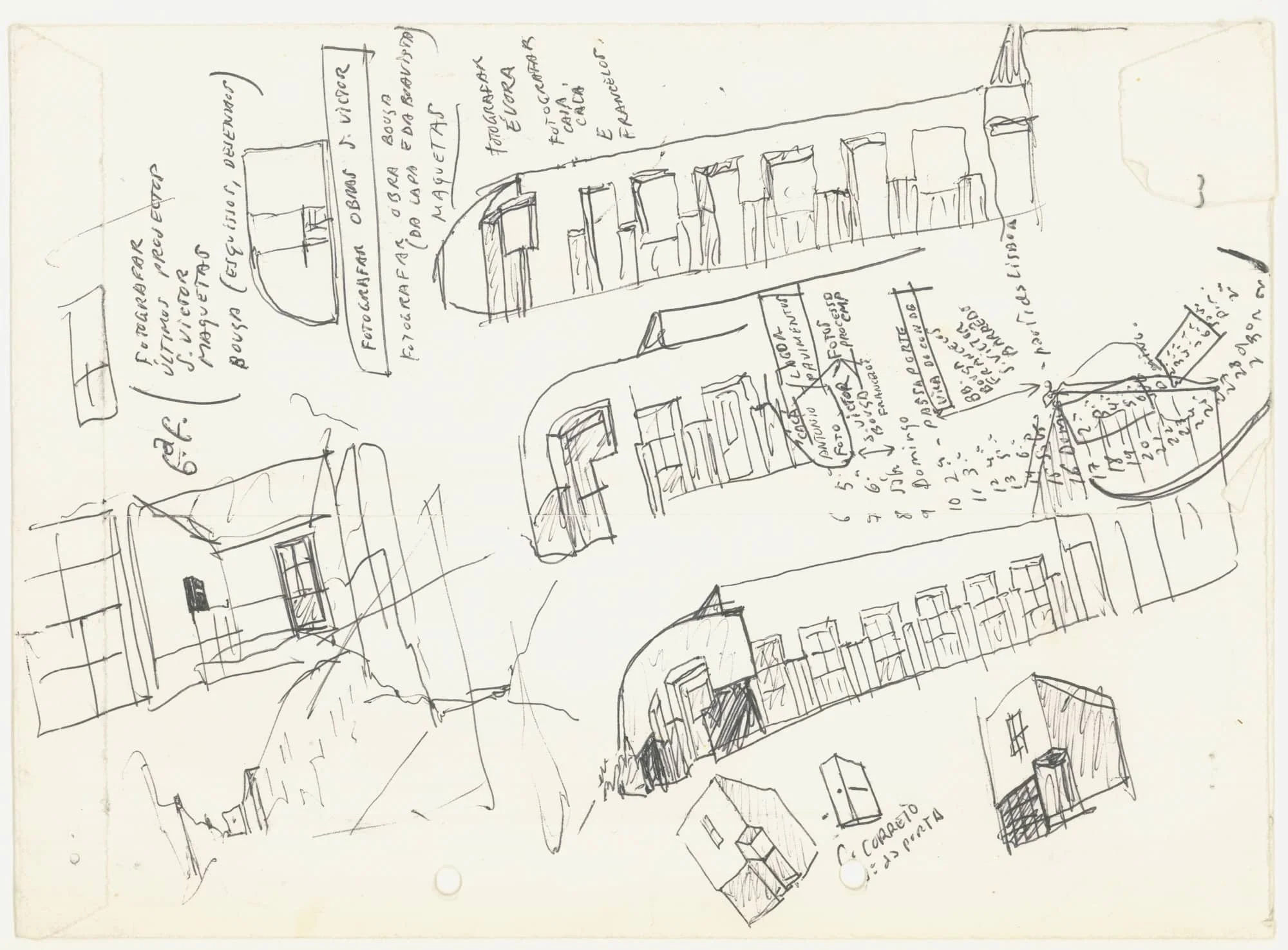
Álvaro Siza, Elevation Studies, São Victor, c.1974–76.
Process
Our design approach is collaborative, iterative, and research-driven.
It begins with a careful review of the brief to fully understand our clients’ needs. We then explore a range of design options through model-making, drawings, and visualisations, refining each concept with clarity and purpose. We believe the most successful homes reflect both the character of the client and their surrounding context.
We produce detailed technical packages and specifications for pricing and construction, and offer on-site management to support quality, cost, and programme control through to completion.
For a detailed breakdown of each stage, you can download our RIBA stages booklet by entering your email address below.
Download our Essential Guide for design stages:
Download here
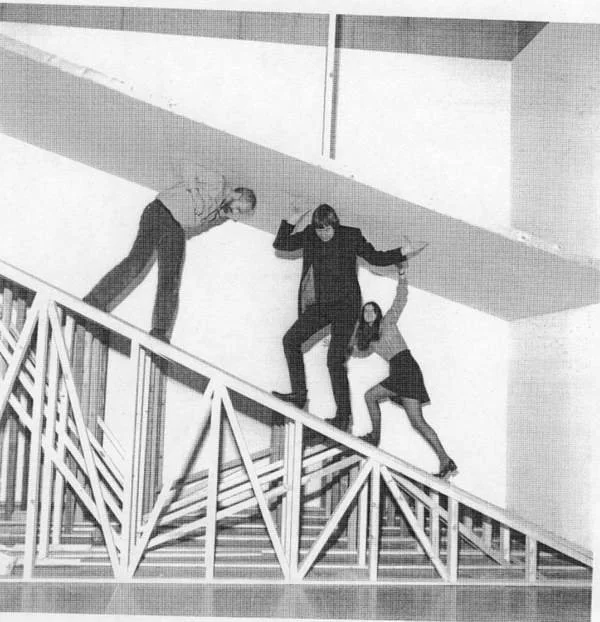
Robert Morris's 1971 installation Bodyspacemotionthings at the Tate Gallery, London
Looking Forward
We believe the thoughtful reuse and adaptation of existing buildings is key to our responsibility as architects to future generations.
Sustainability is not an add-on, but an inherent part of good design. Our aim is to create buildings that are adaptable, resilient, and capable of improving over time, both environmentally and experientially.

Robert Morris's 1971 installation Bodyspacemotionthings at the Tate Gallery, London